Applying too late
Passport and visa processing both take time, and delays happen. In our experience, late starts are a major reason students end up missing key university and visa dates.


A passport tells the world who you are. A visa tells a country whether you are allowed to enter. Understanding the difference between visa and passport is essential for anyone planning to travel abroad, yet many first-time travellers still confuse the two documents.
If you’re an Indian student planning to study abroad, understanding this difference is very important. Applying for a passport or a visa at the wrong time could delay your university admission process or cause you to miss your visa appointment.
At Education Street, we regularly speak with students who assume that receiving a passport automatically gives them the right to study abroad. In reality, the visa process is completely separate, and understanding that difference early can save both time and stress.
| Feature | Passport | Visa |
|---|---|---|
| Purpose | Proof of identity and citizenship | Permission to enter a country |
| Issuing authority | Home country's government | Foreign country's government |
| Validity period | Usually 5 to 10 years | Depends on the visa category |
| Number of entries | Multiple entries | Single, double, or multiple entries |
| Appearance | Booklet or electronic passport | Stamp, sticker, or electronic record |
| Cost | Fixed government fee | Varies by country and visa type |
| Renewal process | Renewed through government authorities | Requires a fresh application in many cases |
| Requirement | Needed for international travel | Required only for certain destinations |
Both documents show up together at immigration counters. Both have your photo and personal details attached in some way, and both are non-negotiable for international travel.
Your passport shows the world who you are and which country you belong to. No matter where you travel, it stays your main proof of identity.
A visa is more specific. It tells you if that one country is ready to let you in, and for how many days or years you can stay. A visa is always tied to one country and usually to one specific purpose, like study, work, or tourism.
You can never travel internationally without a passport. A visa, on the other hand, is only needed for certain countries. Some nations let Indian citizens in visa-free or with a visa on arrival.
A passport is an official document issued by the home government that confirms your identity and nationality and allows you to travel abroad and return home.
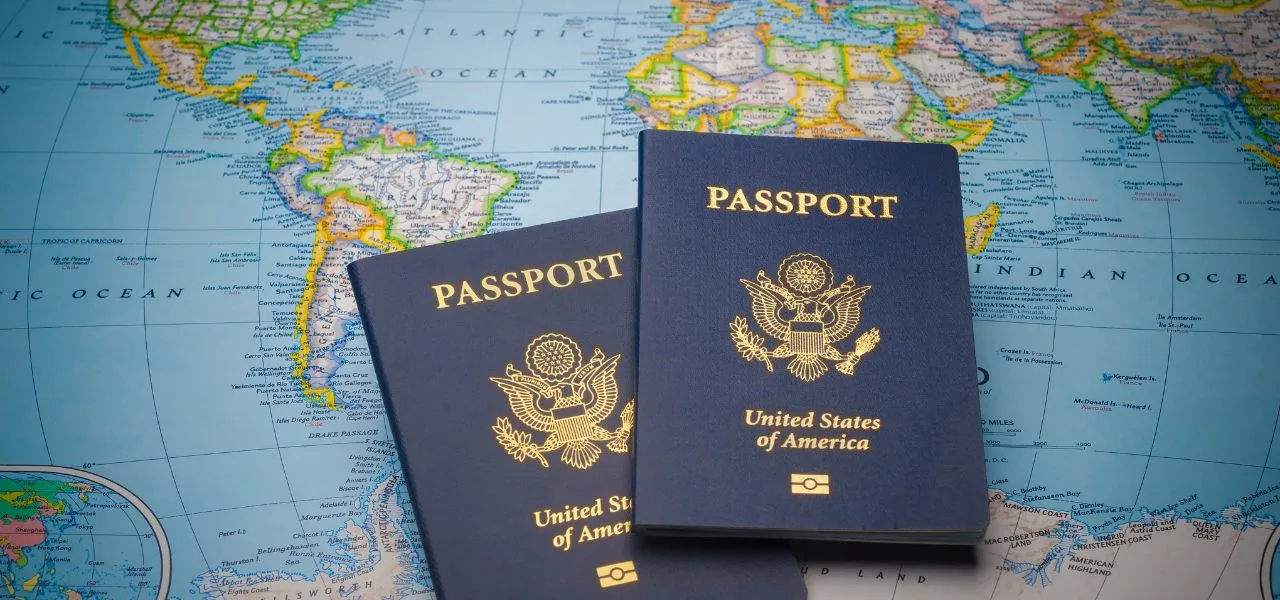
In India, passports are issued by the Ministry of External Affairs (MEA) through the Passport Seva system, which includes Passport Seva Kendras (PSKs) and Post Office Passport Seva Kendras (POPSKs) across the country.
Your passport’s bio-data page carries your name, date of birth, gender, photograph, place of birth, and passport number. The rest of the booklet is blank pages where visas, entry stamps, and exit stamps get added over time.
India issues three main categories of passports, each colour-coded:
An Ordinary Passport is typically valid for 10 years for adults and 5 years (or until the child turns 18, whichever comes first) for minors.
Always confirm the current validity rules on the official Passport Seva portal before applying, since policies are periodically reviewed.
This is a common question among students researching US visa forms, but it doesn’t apply to Indian passports.
India issues only a passport booklet, with either 36 or 60 pages, depending on what you choose at the time of application.
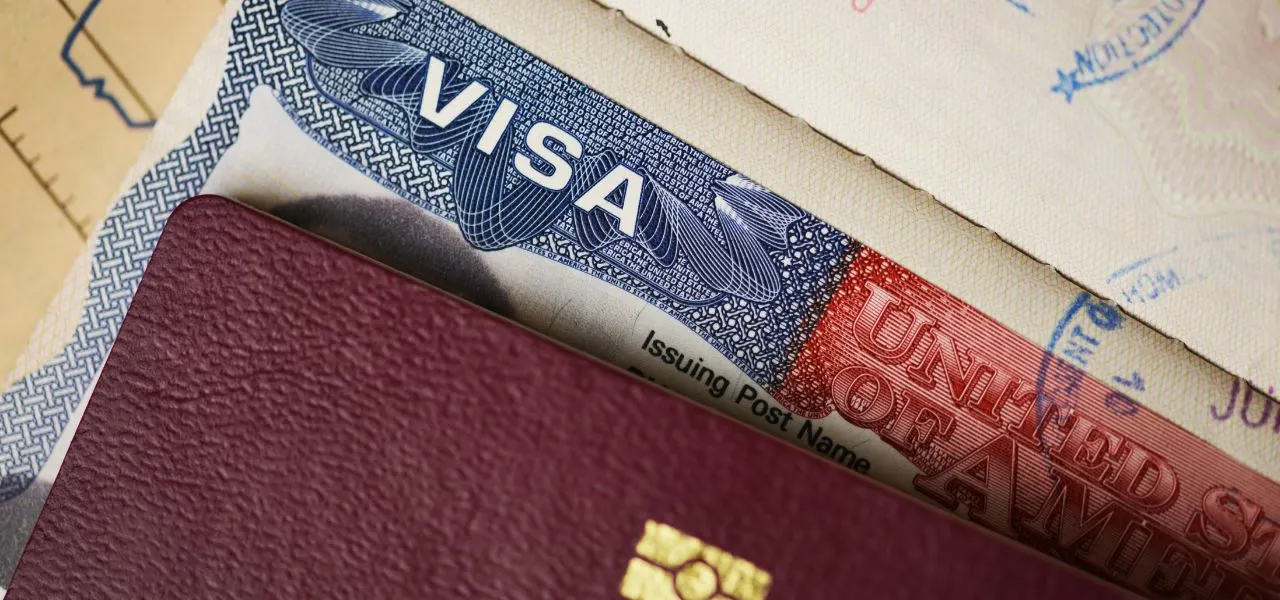
The easiest way to understand the difference between visa and passport is to remember that a visa is issued by the country you plan to visit, not by your home country.
The visa is issued by the government of the country you want to visit, usually through its embassy, consulate, or an online e-visa system, not by your own country.
Countries use visas to manage who enters, for how long, and for what purpose. It lets immigration authorities screen travellers in advance, rather than deciding everything at the border.
A visa typically states the visa category (tourist, student, work, and so on), the validity dates, the number of permitted entries, and sometimes conditions like “no employment allowed” for a tourist visa.
This depends entirely on the visa type and the issuing country. A short tourist visa might be valid for a few weeks. A student visa is usually valid for the duration of your course, sometimes with conditions attached.
There’s no single answer here, so always check the specific country’s visa rules for your situation.
It can be any of the three, depending on the country:
Good for tourism and short family visits. Study or work is not permitted with it.
Issued specifically for enrolling in a recognised educational institution abroad. This is the one most relevant if you're planning to study overseas, and it usually requires proof of admission, financial support, and sometimes a visa interview.
For people taking up employment in another country, it is usually tied to a specific employer or job offer.
For short business trips like meetings, conferences, or trade events, without taking up local employment.
Needed if you're passing through a country's airport or territory on the way to your final destination, depending on that country's transit rules and your layover length.
Grants long-term or indefinite residence rights in a country, usually applied for after meeting specific criteria like years of study, work, or investment in that country. This is a different, longer-term process compared to the other visa types above.
The passport always comes first. Every visa application requires you to already hold a valid passport, since the visa itself gets linked to your passport number and, in many cases, physically placed inside it.
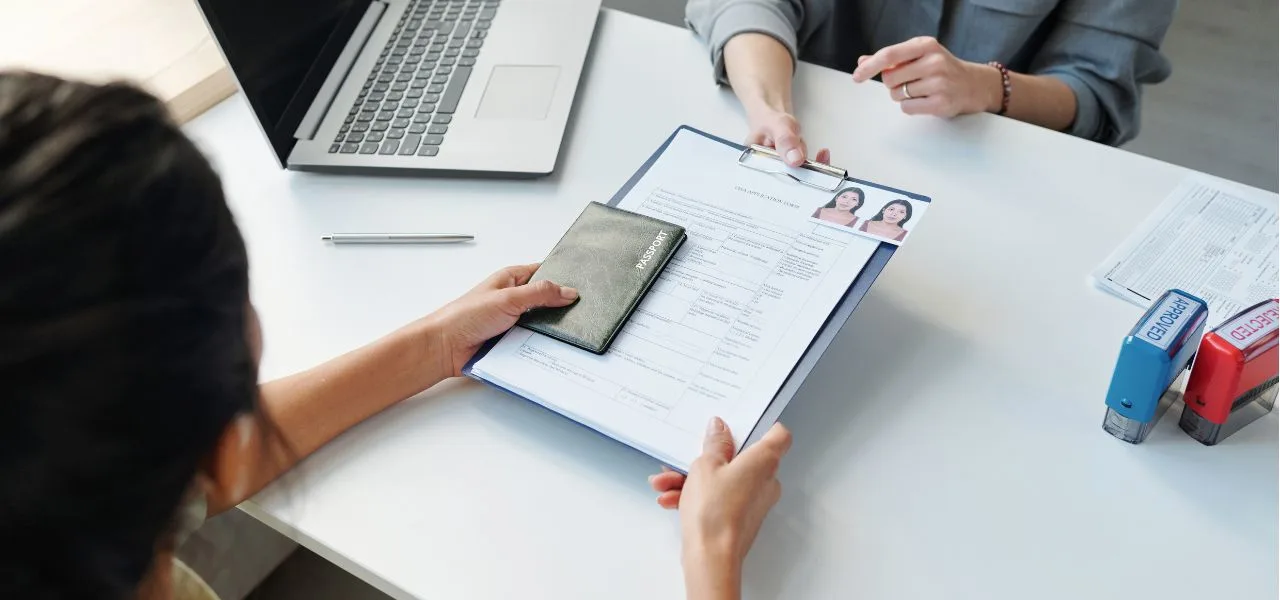
Once you have an offer letter from your university, you’ll typically need your passport details to start the student visa application.
Check your passport validity early and renew it if needed. In our experience, students often leave this until after admission, which causes trouble later. During peak season, this delay can affect both visa slots and travel bookings.
To get a passport, you usually need ID proof, address proof, and birth date proof.
For a student visa, requirements usually include your passport, university offer letter, proof of finances, and sometimes academic transcripts or English proficiency scores.
Exact requirements vary by country, so always check the destination country’s official visa checklist.
You always need a passport. You don’t always need a visa; it depends on where you’re going and your passport’s existing travel agreements with that country.
Indian passport holders currently have visa-free, visa-on-arrival, or e-visa access to a number of destinations, according to the Henley Passport Index.
This figure changes with nearly every quarterly update as countries revise their travel agreements, so treat any specific number as a snapshot rather than a fixed fact, and check the current Henley Passport Index or the destination country’s official immigration site before you travel.
A visa on arrival is exactly what it sounds like: instead of applying in advance, you get your visa stamped or issued once you land at the destination airport, usually after paying a fee and showing your passport and return ticket.
With an e-visa, the whole process happens online, before you leave for your trip. There’s no physical stamp or sticker; the approval is linked digitally to your passport number, though you’ll usually still print a copy to carry with you.
If you’re travelling to a country that has a visa-free arrangement with India for short stays, you may only need your valid passport, no advance visa application at all.
This applies mainly to short tourist trips in a few countries. Student visas rarely work this way; a formal application is needed almost everywhere.
An e-passport looks like a regular passport booklet but has an embedded electronic chip that stores your biometric and personal data securely.
During your passport application, your fingerprints and photograph are captured and stored securely on the chip.
At immigration counters equipped with e-gates, this data can be verified automatically, which speeds up the process compared to manual passport checks.
More countries are adopting e-gates, e-visas, and automated border checks that read chip-based passports directly.
For students, this mostly means faster immigration queues once your destination country has this infrastructure in place, though the actual visa application process itself hasn’t changed in any fundamental way.
Your passport needs enough remaining validity to cover your entire course duration, and often a bit longer.
Many universities and visa offices ask for a minimum passport validity buffer, so check this early rather than assuming your current passport is fine.
Once you have your university offer letter, you’ll apply for the relevant student visa category for that country.
Requirements typically include your passport, proof of admission, and financial documents, but the exact process and document list differ by country. So always confirm directly with the destination country’s official visa authority or embassy.
Most student visa applications ask you to show that you can financially support your studies and living costs, often through bank statements, education loan sanction letters, or scholarship confirmation letters.
Requirements and acceptable formats vary significantly from one country to another, which is why many students prefer to review their documents carefully before submitting their applications.
In our experience, even small mistakes in bank statements, education loan letters, or sponsorship documents can delay the process.
Some countries require an in-person or video visa interview as part of the student visa process. This usually focuses on your study plans, your ability to fund the course, and your intent to follow the visa conditions.
Preparation matters here, and it’s one of the areas where working with an experienced counsellor genuinely helps.

The most frequent one is timeline mismanagement, starting the passport process too late, or applying for the student visa without leaving enough buffer time before the intake starts.
We have also found that many students focus entirely on university applications and overlook the visa timeline until the last moment.
This is a genuinely common worry, and the honest answer is: it depends on the country, so don’t assume either outcome without checking.
Some countries allow you to transfer an existing valid visa to your new passport, usually through a formal request to their embassy or immigration authority. Others do not offer this and require a fresh visa application instead.
If transfer isn’t an option, you’ll likely need to reapply for the visa using your new passport, even if your old visa technically still had time left on it.
This can take time, so renewing your passport well before it’s due to expire, rather than waiting until the last minute, avoids this situation altogether.
Because immigration rules differ from one country to another, relying entirely on social media posts, online forums, or advice from friends can sometimes create unnecessary confusion.
Always confirm directly with the relevant embassy or consulate handling your visa.
| Factor | Passport | Visa |
|---|---|---|
| Government fee | Fixed amount | Varies by country |
| Processing time | Usually a few weeks | Depends on the destination |
| Validity period | Often 5 to 10 years | Depends on the visa category |
| Renewal requirements | Government process | Fresh application may be required |
Passport and visa processing both take time, and delays happen. In our experience, late starts are a major reason students end up missing key university and visa dates.
Applying under a tourist visa when you actually intend to study, or vice versa, can lead to rejection or complications later. Always apply for the category that genuinely matches your purpose of travel.
Small mismatches, like a name spelled differently across your passport, offer letter, and visa application, can cause delays or rejections. Double-check every document for consistency before submitting.
Many countries require your passport to be valid for a minimum period beyond your travel dates, commonly around six months. Confirm this rule for your specific destination before you plan travel.
A visa gives you permission to apply for entry; it doesn't guarantee it. Immigration officers at the border can still deny entry in certain circumstances, even with a valid visa in hand.
A passport proves who you are and which country you belong to. A visa allows you to enter, stay, or pass through a country for an approved reason and time frame.
No. A passport is your identity proof, given by your home country. A visa is entry approval from the country you want to visit.
No. A visa is always linked to a valid passport, either physically stamped inside it or digitally connected to its passport number. Before applying for a visa, you need a valid passport.
No. Some countries offer Indian passport holders visa-free entry or visa-on-arrival for short stays. Always check the specific destination’s current requirements before you travel.
Always apply for your passport first. You cannot start a student visa application without an existing valid passport.
For adults, an Ordinary Passport lasts 10 years; for minors, 5 years. Confirm the latest rules on the Passport Seva portal.
It depends on the country. Some allow you to transfer your existing visa to a new passport; others require a fresh visa application. Always check with the relevant embassy or consulate.
An e-visa carries the same legal permission as a regular visa, but it’s issued and stored digitally rather than as a physical stamp or sticker in your passport.
Yes, a single passport can carry multiple visas for different countries at the same time, as long as there’s enough blank space in the booklet for stamps or stickers.
Yes. A visa allows you to seek entry, but immigration officers at the border make the final decision and can refuse entry in certain situations, even with a valid visa.
A visa is an entry and short-to-medium-term stay permission. A residence permit allows a longer-term stay, often tied to work or study, and is usually applied for after you’ve already entered a country. A Green Card is a specific US immigration status granting permanent residency, which is a different and longer process altogether.
Yes, almost every destination needs both. A valid passport lets you apply for a student visa, and you’ll need both the passport and approved visa to enter and study there.
Now that you understand the difference between visa and passport, the next step is making sure your application timeline is properly planned. Passport renewals, visa document checklists, and interview preparation all take longer than most students expect.
If you'd like help mapping this out for your specific destination and intake, our study abroad counsellors will help you plan it properly, from passport to visa to departure.
Talk to Our Study Abroad CounsellorsAbout the Reviewer
Ankita Thakker is the founder of Education Street, a Mumbai-based study abroad and career counselling consultancy. She holds an MBA from the University of Leeds and has guided Indian students through university admissions, visa documentation, and study abroad planning. This article was reviewed by her for accuracy before publication.