


Study in Japan For Indian Students – Universities, Cost, Visa & Career Options
Studying in Japan for Indian Students is no longer a niche option; it has become a serious academic and career pathway for those looking beyond traditional destinations like the US, UK, or Australia.
With globally ranked universities, affordable tuition compared to Western countries, growing English-taught programs, and strong post-study work opportunities, Japan offers a powerful mix of quality education and long-term career potential.
In this comprehensive guide, we will cover everything Indian students need to know before choosing Japan as a study destination.
This includes top universities, popular courses, tuition fees and living costs, scholarships such as MEXT, eligibility criteria, application timelines, required documents, student visa process, part-time work rules, post-graduation job pathways, and common challenges students may face.
Why Japan Stands Out as a Study Destination?
Japan has quietly emerged as one of Asia’s most compelling destinations for Indian students seeking an internationally recognised degree. The country’s education system has long prioritised science, technology, and research, producing institutions that consistently rank among the world’s best.
Beyond academic reputation, Japan’s combination of affordable tuition fees relative to Western countries, a growing number of English-medium programmes, and a robust job market makes it a practical and rewarding choice.
Japan’s changing demographics have also created new openings for international talent. With a declining birth rate and an ageing workforce, the government has taken a proactive stance on attracting skilled international graduates.
If you are confused about university selection, scholarships, visa steps, or career options, getting expert study abroad counselling support can make your Japan study journey much more structured and stress-free.

What Makes Japan Awesome for International Students Like You?
1. Research-Driven Universities
Japanese universities are known for placing strong emphasis on applied research and technological innovation. Students frequently have the opportunity to collaborate with faculty on live research projects. They gain hands-on experience in areas such as robotics, materials science, biotechnology, and renewable energy.
Several Japanese institutions, including the University of Tokyo and Kyoto University, consistently appear in global university rankings, reflecting the depth of their academic output.
2. Cost of Education Compared to Western Countries
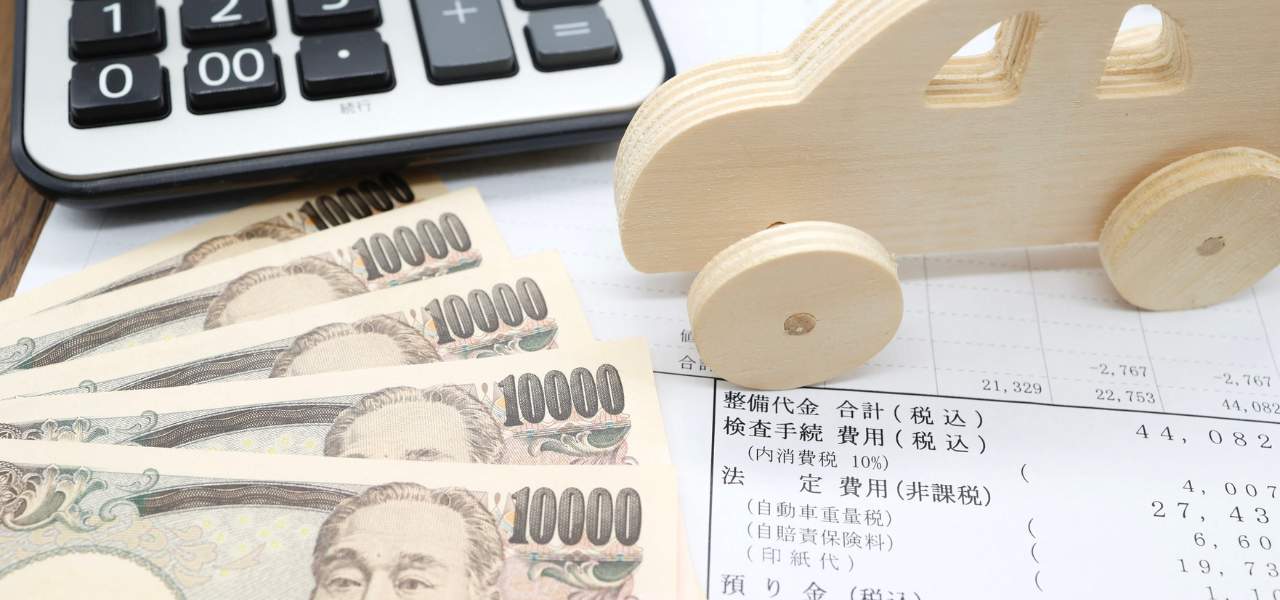
Tuition fees at Japanese national and public universities are notably lower than fees at comparable institutions in the United Kingdom, the United States, or Australia.
This makes Japan an attractive option for Indian students who want an internationally competitive education without the financial burden associated with more traditional study-abroad destinations.
National universities, which are directly funded and managed by the Japanese government, tend to have the most affordable fee structures.
3. Scholarship Ecosystem
A wide range of scholarship options is available to Indian students, funded by the Japanese government, private foundations, and individual universities.
The most prominent among these is the MEXT Scholarship (Monbukagakusho), administered by Japan’s Ministry of Education, Culture, Sports, Science and Technology.
This fully funded scholarship covers tuition, entrance examination fees, a monthly living stipend, and economy-class round-trip airfare.
Students can apply either through the Japanese Embassy in India (Embassy Recommendation route) or directly through a participating Japanese university (University Recommendation route). Beyond MEXT, many universities offer their own merit-based and need-based awards.
Popular Fields of Study In Japan For Indian Students
Japanese universities offer a wide spectrum of undergraduate and postgraduate programmes. The following fields attract a significant number of Indian applicants:
1. STEM Disciplines:
Aerospace engineering, robotics, automotive engineering, electrical engineering, and civil engineering are particularly strong at national and technical universities.
2. Business and Management:
MBA programmes, international business, and economics, with Keio and Waseda University being especially well-regarded for business education.
3. Technology & Data:
Artificial intelligence, data science, and computer science, with dedicated research institutes at institutions like Tokyo Institute of Technology (now part of Science Tokyo after merging with Tokyo Medical and Dental University in October 2024).

4. Creative & Cultural Disciplines:
Japanese language studies, animation, visual design, and media studies are available at several universities and specialised colleges.
5. Life Sciences & Environment:
Marine biology, agriculture, public health, and environmental policy, particularly at Hokkaido University and Osaka University.
Top Universities in Japan for Indian Students
The following universities are widely regarded among the best in Japan and offer programmes relevant to Indian applicants across multiple disciplines:
| University | Location | Notable Areas of Study |
|---|---|---|
|
University of Tokyo |
Tokyo |
Engineering, Law, Medicine, Environmental Studies |
|
Kyoto University |
Kyoto |
Engineering, Biotechnology, Physics, Humanities |
|
Science Tokyo (formerly Tokyo Tech) |
Tokyo |
Robotics, AI, Data Science, Renewable Energy |
|
Osaka University |
Osaka |
Medicine, Engineering, Social Sciences, Materials Science |
|
Tohoku University |
Sendai |
Electrical Engineering, Chemistry, Public Health
|
|
Nagoya University |
Nagoya |
Engineering, Finance, Environmental Studies |
|
Hokkaido University |
Sapporo |
Marine Biology, Agriculture, Environmental Policy |
|
Keio University |
Tokyo |
Business, Economics, Law, Media Studies |
|
Waseda University |
Tokyo |
International Relations, Business, Data Science
|
|
Kyushu University |
Fukuoka |
Engineering, Medicine, Economics, International Law |
Application Intakes and Timelines To Study in Japan
Japanese universities primarily operate on two intake cycles. The main intake is the April (Spring) intake. Applications for this cycle typically open between August and October the year before the intended start date, with deadlines falling between December and January.
The secondary intake is the September/October (Autumn) intake, with applications generally accepted between February and May of the same year.
It is important to note that intake availability, application windows, and deadlines vary significantly between institutions and sometimes between departments within the same university. Students are strongly advised to check the official admissions pages of each university they plan to apply to well in advance.

Documents Required For University Applications
Indian students applying to Japanese universities should typically prepare the following:
- Academic transcripts, mark sheets, and certificates from all previous qualifications.
- English language proficiency scores (TOEFL or IELTS) for programmes taught in English.
- For Japanese-taught programmes, many universities prefer JLPT N2/N1 depending on the faculty and language of instruction.
- EJU (Examination for Japanese University Admission for International Students) results may be required by certain national and public universities, depending on the programme and language of instruction.
- Standardised test scores such as SAT, ACT, or GRE, depending on programme requirements.
- Statement of Purpose (SOP) outlining academic goals and reasons for choosing Japan.
- Letters of recommendation from two or more academic or professional referees.
- Certificates of extracurricular activities and work experience, where applicable.
- Valid passport and passport-sized photographs as per university specifications.
- Proof of financial capacity to support your studies and living expenses.
- Medical certificate (if required by the university).
How Much Does Studying in Japan Really Cost?
1. Tuition Fees
Tuition costs in Japan are broadly determined by whether the institution is a national university (directly funded by the central government), a public university (administered by a local prefecture or municipality), or a private university.
The following are approximate annual fee ranges converted into Indian Rupees and may vary depending on exchange rate fluctuations:
| University Type | Approximate Annual Tuition (INR |
|---|---|
|
National Universities |
₹3,50,000 – ₹4,50,000 |
|
Public Universities |
₹3,00,000 – ₹5,00,000 |
|
Private Universities |
₹8,00,000 – ₹12,00,000 |
Source: Study in Japan Official Website
2. Monthly Living Expenses
Living costs vary depending on the city and individual lifestyle. Tokyo and other major urban centres are generally more expensive, while smaller cities like Sendai or Sapporo tend to be more affordable. The breakdown below reflects typical monthly expenses:
| Expense Category | Monthly Cost (Approx. INR) |
|---|---|
|
Accommodation (Shared) |
₹24,000 – ₹34,000 |
|
Food and Groceries |
₹10,000 – ₹18,000 |
|
Local Transportation |
₹2,000 – ₹5,000 |
|
Utilities (Electricity, Internet) |
₹6,000 – ₹10,000 |
|
Study Materials |
₹2,000 – ₹5,000 |
|
Personal & Leisure Expenses |
₹5,000 – ₹10,000 |
Combining tuition and living costs, Indian students can expect total annual expenses to vary widely depending on university type and city, generally ranging between ₹7,00,000 and ₹15,00,000.
Working While Studying and Post-Graduation Options
1. Part-Time Work During Studies
International students on a Japanese student visa are permitted to work part-time for up to 28 hours per week during academic terms and up to 8 hours per day during officially designated long vacation periods.
Minimum wage in Japan ranges approximately between 900 and 1,200 yen per hour, depending on the prefecture, though actual earnings may vary based on region, role, and experience level.
2. Post-Graduation: The Designated Activities Visa
For graduates who have not yet secured full-time employment at the time of completing their degree, Japan’s immigration system offers a Designated Activities visa specifically designed for job hunting.
This visa is initially granted for six months and may be renewed upon approval, allowing eligible graduates up to one year after graduation to seek employment.
A letter of recommendation from the graduate’s university is required when applying. Once a job offer is secured, the student must change their status of residence to an appropriate work visa category, such as Engineer/Specialist in Humanities/International Services, based on their field.

Common Challenges Students Face While Studying in Japan & How to Navigate Them
1. Language
Japanese is the primary language of daily life in Japan, and while English is increasingly used at universities with international programmes, navigating everyday situations can be challenging without at least a foundational level of Japanese.
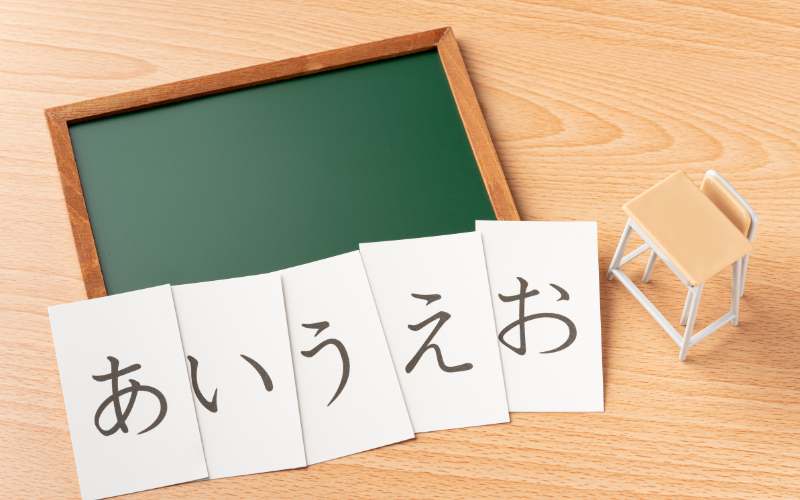
Many universities offer free Japanese language classes for international students, and completing at least the JLPT N5 or N4 level before arriving can improve daily communication and may increase part-time job opportunities.
Need Japanese Language Preparation?
Want to meet Japan’s language requirements? Start with our Japanese language classes in Mumbai and get JLPT-focused training from experts.
2. Cultural Differences
Japanese society has its own distinct customs and social norms. Common practices include bowing as a form of greeting, maintaining quiet on public transport, and a strong emphasis on punctuality and group harmony in professional and academic settings.
Most universities hold orientation sessions and cultural workshops to help international students acclimatise, and attending these early on can ease the adjustment process considerably.
3. Homesickness & Building a Social Network
Living away from family for the first time in a country with a different language and culture can be isolating, particularly in the first few months.
Actively participating in university clubs, joining student societies, and connecting with other international students through formal support groups can help significantly.
Many Indian student communities exist in major Japanese university cities, which can provide a familiar support network alongside broader social integration.

4. Climate & Seasonal Adjustment
Japan experiences four clearly defined seasons. Spring (late March to May) is mild and is accompanied by the cherry blossom season, making it a popular time to arrive.
Summer (June to August) is hot and humid, with some regions experiencing a distinct rainy season in June and July. Autumn (September to November) brings cooler temperatures and vivid foliage.
Winter (December to February) can be quite cold, and several regions, particularly in northern Japan, experience significant snowfall. Packing appropriately for each season and understanding regional weather differences before arrival is recommended.
How to Apply for a Japanese Student Visa
Obtaining a Japanese student visa involves a sequence of steps that typically begins several months before your intended start date. The key stages are as follows:
Step 1 - Certificate of Eligibility (CoE)
Once you have been accepted by a Japanese university, the institution will apply to Japan’s Immigration Services Agency on your behalf for a Certificate of Eligibility.
This document confirms that you meet the conditions required to study in Japan and forms the cornerstone of your visa application.
You will need to submit supporting documents to the university, including your admission letter, passport copy, and proof of financial support.
Step 2 - Submitting Your Visa Application to the Japanese Embassy
Once the CoE has been issued, you can apply for your student visa at the Embassy of Japan or the appropriate Japanese Consulate General in India (jurisdiction is determined by your state of residence).
Required documents typically include the original CoE and a photocopy, your valid passport and photographs, a completed visa application form (available from the embassy website), your admission letter, academic documents, a cover letter explaining your purpose of visit, and financial proof documents.
Step 3 - Visa Interview
An interview may be required to verify your intention to study in Japan. Preparing to speak clearly about your course, your chosen university, and your plans after graduation is advisable.
Step 4 - Visa Collection
After submission, a decision is generally made within approximately 15 working days. Once approved, you can collect your visa and begin preparing for your journey to Japan.