

Master of Physiotherapy in Australia - Top Universities Cost & Careers
If your goal is to build a healthcare career with global opportunities, a Master of Physiotherapy in Australia is one of the most rewarding master’s programs to pursue.
Australia is one of the countries where completing an APC-accredited postgraduate physiotherapy degree can qualify you to apply for professional registration. This allows you to practise as a physiotherapist.
Demand remains strong across hospitals, rehabilitation, aged care, and community health sectors. Whether you are a recent health science graduate or a working professional planning your next move, this guide gives you every fact you need, including universities, costs, and career opportunities in Australia.
Why Are So Many Graduates Choosing a Master of Physiotherapy in Australia Right Now?
Australia’s healthcare system is expanding rapidly. The population is ageing, chronic disease management is growing, and physiotherapy sits right at the centre of it all.
Physiotherapy is listed as a Skill Level 1 occupation under ANZSCO Code 252511 and appears on Australia’s Medium and Long-Term Strategic Skills List (MLTSSL). This indicates it is a priority occupation under Australia’s skilled migration framework.
For international students, this creates a rare opportunity. You study in a world-class system, gain hands-on clinical training, and graduate into a profession the country genuinely needs.
For a broader breakdown of expenses and visa requirements, check our guide on Education in Australia for Indian Students.
Is a Master of Physiotherapy an Entry-Level Degree or a Specialist Upgrade?
This is one of the first things students need to clarify. In Australia, the Master of Physiotherapy is primarily an entry-to-practice degree.
This course is for graduates with a bachelor’s degree in fields like exercise science, biomedical science, or human movement, but who are not yet qualified physiotherapists.
For example, the Master of Physiotherapy Studies at the University of Queensland is designed for students who have completed an approved bachelor’s degree. It also requires prior study in human anatomy and human physiology.
Upon completing this two-year full-time program, graduates are eligible to apply for registration with the Physiotherapy Board of Australia through AHPRA.
There is also a separate category, postgraduate specialist master’s degrees (such as a Master of Musculoskeletal Physiotherapy or Master of Sports Physiotherapy), which are for already-registered physiotherapists looking to specialise further.
Why Does APC Accreditation Matter So Much Before You Even Apply?
Before you look at any campus, ranking, or fee structure, check one thing first: Is the program accredited by the Australian Physiotherapy Council (APC)?
The APC is the official accrediting body for physiotherapy programs in Australia, working on behalf of the Physiotherapy Board of Australia. A program with APC accreditation makes sure that its curriculum meets the national competency standards required for professional practice.

Here is Why APC Accreditation Matters for You:
- Graduates of APC-accredited programs can apply directly to AHPRA for general registration as physiotherapists.
- If your program does not carry APC accreditation, you will not be eligible to register, and you cannot legally practise in Australia, regardless of your results.
Always verify accreditation on the APC’s official website (physiocouncil.com.au) or on the university’s own course page before submitting any application.
Best Universities Offering a Master of Physiotherapy in Australia
Below is a table of universities offering APC-accredited, entry-to-practice Master of Physiotherapy programs in Australia.
| University | Program | Duration |
|---|---|---|
|
University of Queensland (UQ) |
Master of Physiotherapy Studies |
2 years full-time |
|
RMIT University |
Master of Physiotherapy |
2 years full-time |
|
University of Technology Sydney (UTS) |
Master of Physiotherapy |
2 years full-time |
|
Flinders University |
Master of Physiotherapy |
2 years full-time |
|
University of Notre Dame Australia |
Master of Physiotherapy |
2 years full-time |
|
Swinburne University of Technology |
Master of Physiotherapy |
2 years full-time |
|
La Trobe University |
Master of Physiotherapy Practice |
2 years full-time |
Some universities, like the University of Sydney, Macquarie University, and Bond University, offer a Doctor of Physiotherapy (DPT).
This is a three-year extended postgraduate degree at AQF Level 9, equivalent to a master’s extended qualification. This DPT is also APC-accredited and leads directly to AHPRA registration.
NOTE: Always verify a university’s current program status on its official website before applying.

What Will You Study and Experience During the Program?
A Master of Physiotherapy is not a theory-only degree. You will spend a substantial portion of your time in real clinical settings, and that is by design.
Core subject areas covered across accredited programs include:
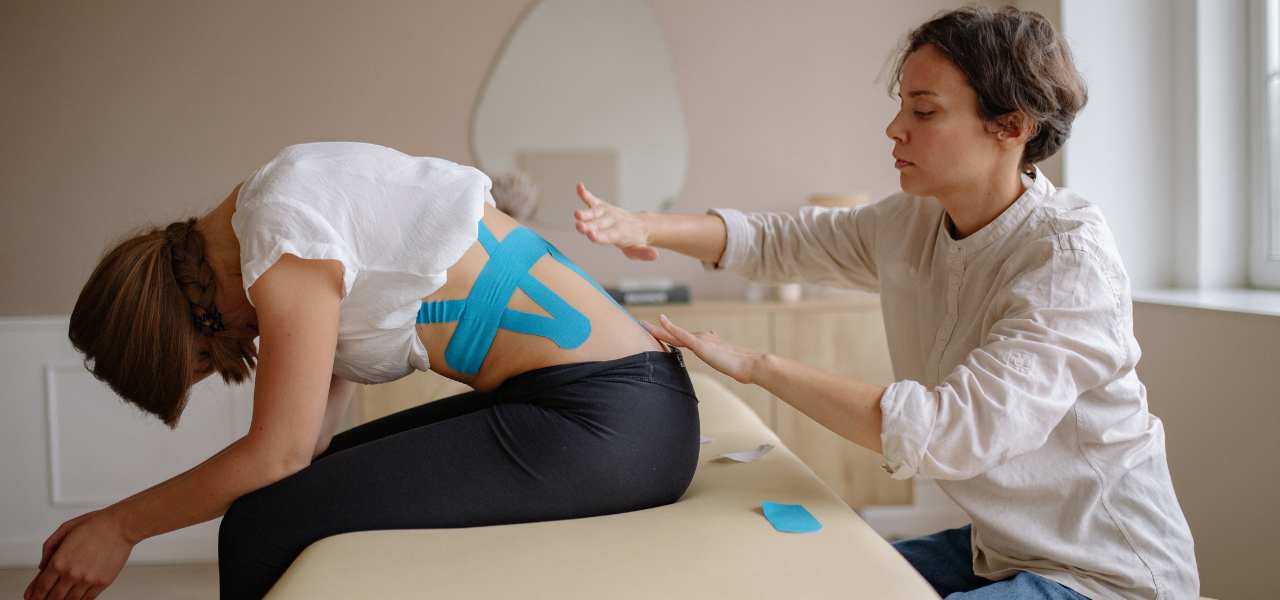
1. Musculoskeletal Physiotherapy -
You will learn how to assess and treat injuries related to joints, muscles, and soft tissues, like back pain, sports injuries, or muscle strains.
2. Neurological Physiotherapy
This focuses on helping patients recover from conditions like stroke, brain injuries, Parkinson’s disease, and other nerve-related disorders.
3. Cardiorespiratory Physiotherapy
You will support patients recovering from lung conditions, breathing issues, or surgeries affecting the heart and lungs.
4. Paediatric & Aged Care Physiotherapy
You will work with patients across all age groups, from children to elderly individuals, focusing on movement, mobility, and overall physical health.
5. Evidence-Based Practice
You will learn how to use the latest research and clinical data to make the right treatment decisions for patients.
6. Interprofessional Healthcare
You will work closely with doctors, nurses, and other healthcare professionals as part of a team to deliver complete patient care.

How Much Does a Master of Physiotherapy Cost in Australia?
Fees vary between universities, depending on whether you are a domestic or international student.
Tuition for international students varies by university. The University of Queensland, for example, publishes its Master of Physiotherapy Studies at AUD $75,590 per year for international students.
Whereas the University of Notre Dame Australia offers a 2-year full-time course with tuition fees of around AUD $55,000 per year.
Therefore, across accredited programs generally, annual international tuition falls in the AUD 55,000 to AUD 76,000 per year range.
On top of tuition, the Australian Government’s living cost guidance for student visa holders sets a minimum living cost requirement of AUD 29,710 per year for a single student to cover rent, food, transport, and health insurance.
International students on a Student Visa (Subclass 500) are currently allowed to work up to 48 hours per fortnight during study periods, as per current visa regulations (subject to change by the Australian Government).
For a broader breakdown of overall study costs and options, refer to our guide on studying master’s in Australia for Indian students.
Additional Costs to Plan For:
- Overseas Student Health Cover (OSHC) – It is mandatory for all international students on a student visa.
- Clinical placement, travel and accommodation (some placements are outside metro areas).
- First Aid and CPR certification – Approximately AUD 130, renewed every three years.
- Vaccinations and health clearances before clinical placements begin.
- Student Visa Fees
Scholarships are available at multiple universities, including merit-based postgraduate awards for international applicants. Check each university’s official scholarships page at the time of applying, as availability and amounts change regularly.
How Do You Actually Register as a Physiotherapist in Australia After Completing Your Master's?
Graduating is step one. To legally practise as a physiotherapist in Australia, you must hold general registration with the Physiotherapy Board of Australia, managed through AHPRA (Australian Health Practitioner Regulation Agency).

For Graduates of an APC-Accredited Australian Program:
- Complete your APC-accredited program (Master’s or Doctor of Physiotherapy).
- Apply for general registration with AHPRA through the Physiotherapy Board of Australia.
- Meet AHPRA’s English language requirements.
- Satisfy character and identity requirements.
Once registered, complete a minimum of 20 hours of Continuing Professional Development (CPD) every year to maintain your registration.
Career Outcomes & Salary - What Can You Actually Earn?
Physiotherapy is considered a stable and in-demand profession in Australia, with competitive salary potential.
The salary data is based on publicly available platforms such as Indeed, Glassdoor & Seek. Salary varies based on experience and location.
Career progression and higher earnings are typically influenced by experience, specialisation, and work setting. They are not influenced by the degree level alone, especially when moving into senior clinical, NDIS, or private practice roles.
| Job Role | Annual Salary (AUD) |
|---|---|
|
Physiotherapist (General) |
AUD $94,454 |
|
Senior Physiotherapist |
AUD $104,000 |
|
Physiotherapist – Grade 2 (Musculoskeletal) |
AUD $ 70,000 |
|
Exercise Physiologist |
AUD $87,312 |
|
Sports Physiotherapist |
AUD $81,498 |
|
Physiotherapy lecturer |
AUD $120,000 |
Settings Where Physiotherapists Work in Australia:
- Public & private hospitals
- Private physiotherapy clinics
- Sports clubs & high-performance centres
- Aged care facilities
- Community health organisations
- Rehabilitation centres
- NDIS-registered service providers
- Occupational health and workplace injury management (including mining and manufacturing).

Can Studying a Master of Physiotherapy in Australia Lead to Permanent Residency?
Yes – and for many international students, this is one of the strongest reasons to choose Australia over other study destinations.
Physiotherapy (ANZSCO 252511) is listed on the Medium and Long-Term Strategic Skills List (MLTSSL), and the APC is the official skills assessing authority for this occupation under Australia’s skilled migration program.
Here is a clear summary of the main visa pathways available to qualified physiotherapists:
| Visa | Type |
|---|---|
|
Subclass 189 |
Permanent-Skilled Independent |
|
Subclass 485 |
Temporary – Graduate Visa |
Breakdown of Visa Options for Physiotherapists
- Subclass 189: This is a permanent visa based on a points system. You do not need an employer or state sponsorship. But you must meet the minimum points requirement (currently 65 or higher).
- Subclass 485: This is a temporary visa for international students who have recently graduated from an Australian institution. It allows you to stay and work in Australia for a limited period after completing your degree.
Graduates from APC-accredited Australian universities hold a significant advantage in the migration process. Their qualification is already assessed as meeting Australian standards.
This may simplify the migration process, as their qualification is already aligned with Australian standards. However, visa eligibility still depends on meeting all immigration requirements.
For students open to working in regional or rural Australia, the Subclass 491 visa and state nomination incentives can be helpful. These options can improve your chances of progressing towards permanent residency, depending on your profile and eligibility.